

Chicago is grappling with a significant affordable housing shortage, with an estimated deficit of 119,000 units. This crisis disproportionately affects Black and Latino residents on the South and West sides, where over 67% of households in neighborhoods like South Shore, Englewood, and Garfield Park are rent-burdened, spending more than 30% of their income on housing. This financial strain limits their ability to afford other essentials and exacerbates the racial wealth and homeownership gap.
In response, the city has implemented several initiatives. The Department of Housing has been funding new multifamily developments and supporting inclusionary housing through the Affordable Requirements Ordinance. Additionally, investments have been made in permanent supportive housing to assist those in need.
A notable proposal under consideration is the Green Social Housing (GSH) program, inspired by a successful model in Washington, D.C. This plan involves creating an independent nonprofit, the Residential Investment Corporation (RIC), to develop sustainable and affordable housing featuring green technologies like electric heat pumps, solar panels, and passive building designs. The City Council is expected to vote on establishing the RIC this spring.
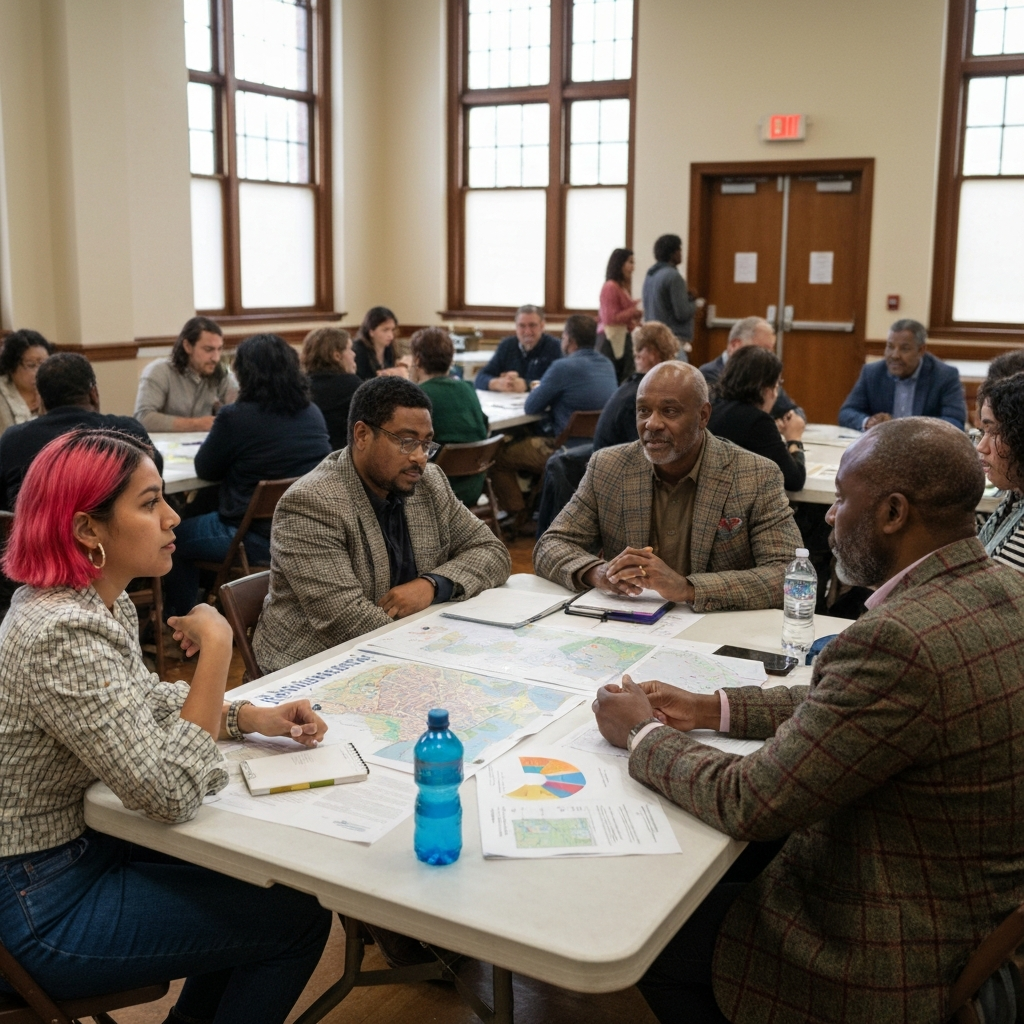
Community organizations are also playing a pivotal role. The Chicago Community Trust emphasizes that revitalization efforts on the South and West sides should begin with residents who know their communities best. By investing in local leadership and resources, these initiatives aim to foster sustainable development and address the root causes of housing instability.
Despite these efforts, challenges remain. The Chicago Community Trust reports that the region is short 225,000 affordable rental units for low-income residents. Addressing this gap requires continued collaboration between city officials, community organizations, and residents to develop and implement effective solutions.
As Chicago moves forward, the success of these initiatives will depend on sustained commitment and innovative approaches to ensure that all residents have access to safe and affordable housing.